Artificial Intelligence (AI) has transformed the art world, offering a variety of styles that go beyond the well-known Ghibli look. For those interested in exploring different and captivating AI-generated art forms, here are ten unique styles that highlight AI’s creative potential.
1. Hyperrealism
This style creates images with incredible detail, making them look almost like real photographs. It’s perfect for artists who want to produce lifelike portraits or scenes that capture every tiny feature of the subject.
2. Surrealism
Surrealism uses AI’s ability to mix and morph images in unexpected ways, resulting in dreamlike pictures that challenge our sense of reality. This style is great for visualizing the subconscious and creating thought-provoking, otherworldly art.
3. Abstract Expressionism
Focusing on spontaneous creation, Abstract Expressionism in AI art emphasizes the emotional power of colors and shapes. Each piece offers a unique experience, evoking deep feelings without depicting specific objects or scenes.
4. Pixel Art
Inspired by retro video games, Pixel Art uses small, square pixels to create images, giving them a nostalgic, 8-bit appearance. This style is popular among those who appreciate vintage digital aesthetics.
5. Glitch Art
Glitch Art involves intentionally distorting digital data to produce visual “errors,” celebrating imperfections and the beauty of chaos. AI can mimic these glitches, creating intriguing compositions that challenge traditional ideas of beauty.
6. Concept Art
AI assists artists in crafting detailed and imaginative concept art, bringing to life futuristic landscapes, alien creatures, and intricate machinery. This technology accelerates the visualization process, providing a solid foundation for developing immersive worlds in various media.
7. Neo-Dada
Reviving the spirit of the early 20th-century Dada movement, the Neo-Dada style embraces absurdity and irony. AI algorithms remix diverse media elements to create unexpected and thought-provoking compositions, challenging conventional artistic norms and encouraging viewers to question the nature of art itself.
8. Generative Patterns
AI excels in producing complex and mesmerizing patterns through algorithmic iterations of basic shapes and colors. This style results in intricate designs and mandalas that captivate the eye, offering endless possibilities for decorative art and design projects.
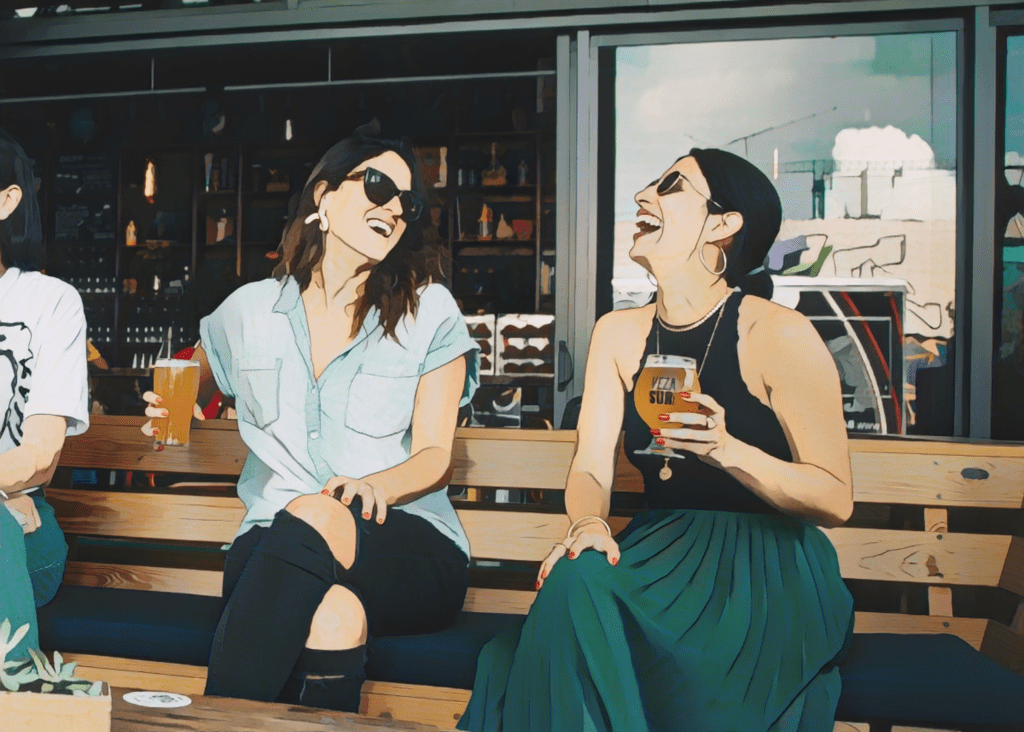
9. Cartoon Style
Ranging from classic hand-drawn animations to modern digital designs, this style brings a playful and lively feel to images. It includes exaggerated features seen in traditional cartoons like Looney Tunes and minimalist designs found in shows like Adventure Time. AI can replicate these various animated styles, capturing the unique charm of each.
10. Art Deco Revival
Art Deco Revival merges classic luxurious elements with contemporary or futuristic subjects. Known for its bold geometric shapes, rich colors, and timeless elegance, this style is often seen in architecture and interior design. In AI art, it brings a sophisticated and opulent feel to images.