Apple has cancelled its plans to add a built-in camera to future Apple Watch models, including the Watch Ultra. The company is now focusing on AI features and is reportedly preparing a foldable iPhone for launch by 2026.
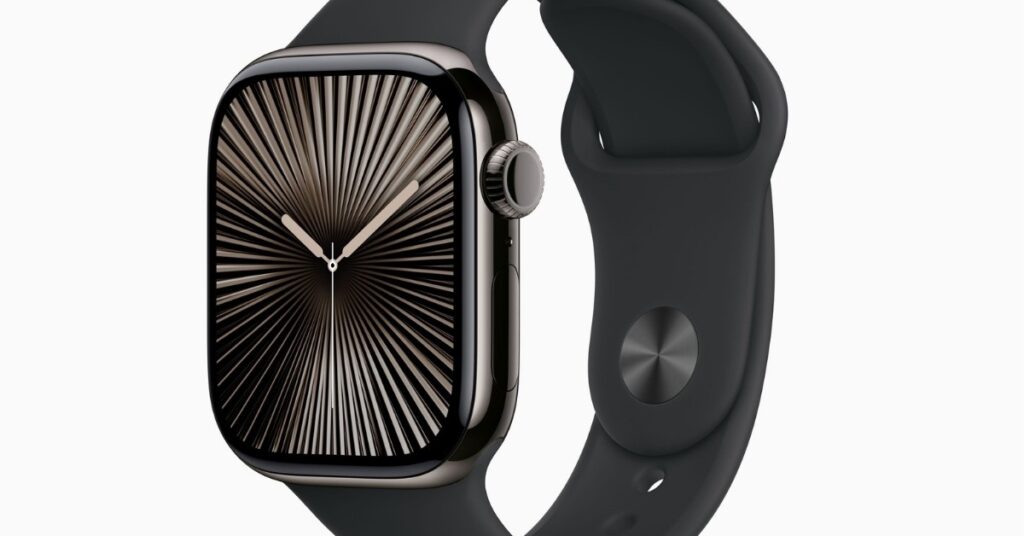
Apple has reportedly dropped its plans to launch an Apple Watch with a built-in camera. The tech giant was said to be exploring this feature for both the standard Apple Watch and the rugged Watch Ultra, targeting a possible release around 2027. However, according to Bloomberg’s Mark Gurman, the project has now been shelved.
The camera integration on the Watch wasn’t intended for photography or video calling, but rather as a tool for AI-powered tasks. Apple had envisioned the camera being used for real-world awareness—allowing users to point their Watch at objects to get useful information, similar to the Visual Look Up feature on the iPhone. Potential uses included identifying plants, translating text, reading store signs, and more.
This feature was part of Apple’s broader push to bring more AI-based functionality to its wearables. The exact reason behind the cancellation hasn’t been revealed, but reports suggest the company has decided to halt development of the camera-equipped Watch, at least for now. While Apple often revisits shelved ideas in the future, there’s no indication that this particular plan will be revived any time soon.
Even though the Watch camera project has been cancelled, Apple continues to explore advanced sensor features in other products. The company is reportedly working on a new version of AirPods that may include built-in infrared cameras. These are expected to support AI features such as spatial audio improvements, in-air gesture control, and better environmental awareness.
In parallel, Apple is also progressing with its foldable iPhone project. The company is expected to launch its first foldable smartphone by late 2026. Recent reports indicate that Apple is leaning towards a book-style design, moving away from the earlier clamshell rumors. This foldable device could feature a large internal display similar in size to the iPad mini, along with an outer screen for quick access.
Expected hardware features for the foldable iPhone include a crease-free ultra-thin glass display, a high-end hinge made of liquid metal, and a premium chassis combining titanium and stainless steel. It may also come with dual rear cameras, under-display front cameras, and a side-mounted Touch ID sensor.
Ahead of the foldable launch, Apple is also working on the iPhone 17 Air, which could debut later this year. The device is expected to be just 5.5 mm thick and serve as the foundation for the foldable’s ultra-thin design. Reports suggest the foldable iPhone could have a 4.5 mm-thick display panel with integrated touch sensors to save space and power.
As for pricing, analysts expect Apple’s foldable iPhone to be positioned at the premium end of the market. It could be priced between $2,000 and $2,500, making it the most expensive iPhone ever released.