Tata Motors gains control to upgrade Fiat’s 2.0L diesel engine used in Harrier, Safari; licensing deal allows performance, emission upgrades in-house.
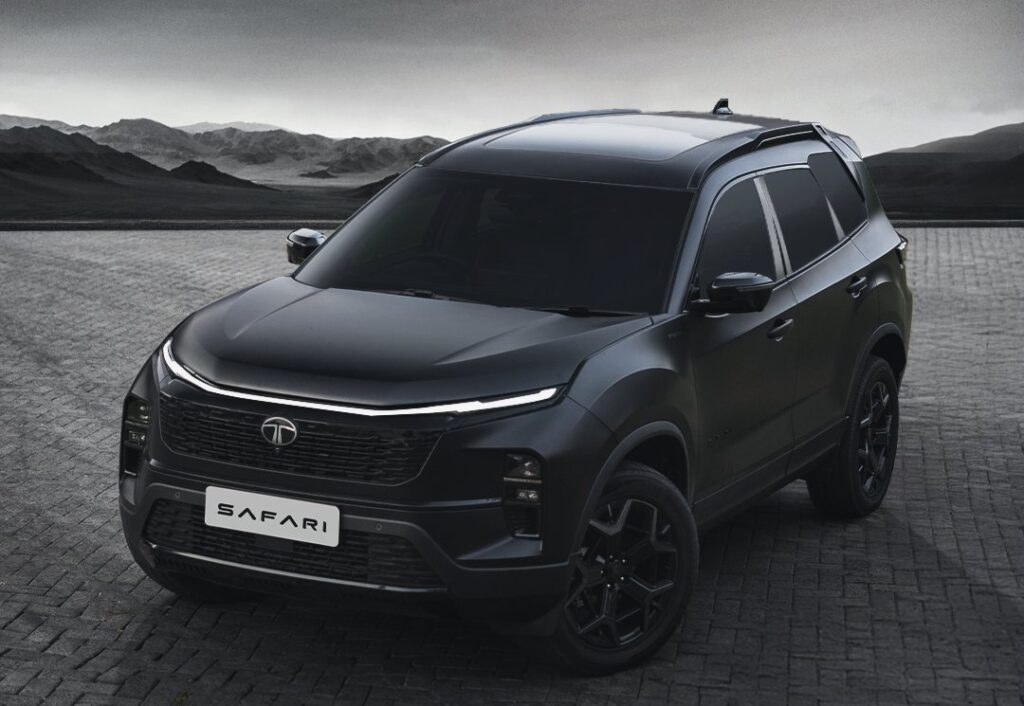
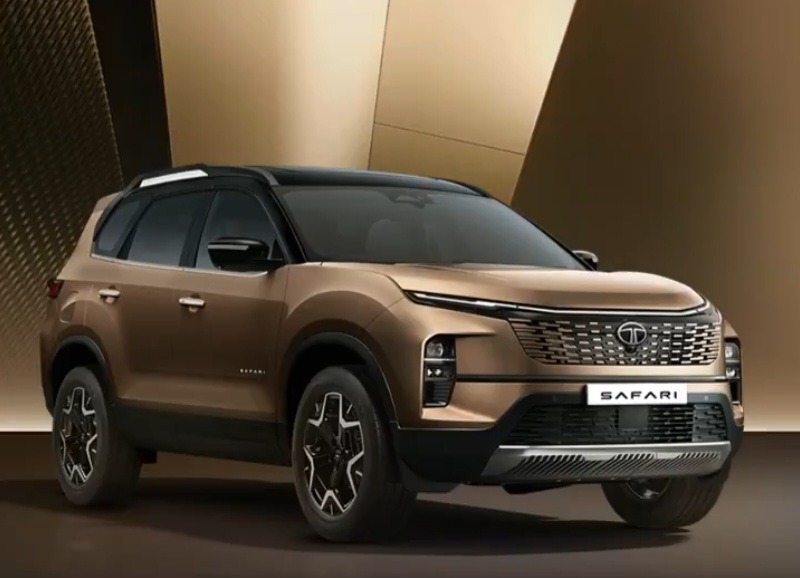
Tata Motors is taking a big step forward in its diesel powertrain strategy by securing the rights to independently upgrade the 2.0-litre Multijet II diesel engine — a move that could significantly benefit models like the Harrier and Safari.
Until now, Tata Motors relied on Fiat India Automobiles (FIAPL), a joint venture with Stellantis, for the 2.0-litre diesel engine used in its flagship SUVs. Although the engine was manufactured locally, Tata had to route any technical changes or performance upgrades through Stellantis — a process that involved high costs and delays. Even basic ECU recalibrations reportedly came with a steep price tag.
But that’s about to change.
In the last quarter of FY25, Tata Motors signed a licensing agreement with Stellantis, allowing it to take over development responsibilities for this engine. While Stellantis retains intellectual property rights, Tata now has the freedom to modify, tune, and upgrade the engine to suit its own needs.
This means the carmaker can now introduce multiple power outputs and tweak the engine to meet upcoming emission norms without needing approvals or incurring heavy fees. The move is especially timely, as the Harrier and Safari face strong competition from Mahindra’s range of diesel-powered SUVs that offer varied performance levels and driving modes thanks to their in-house mHawk engine.
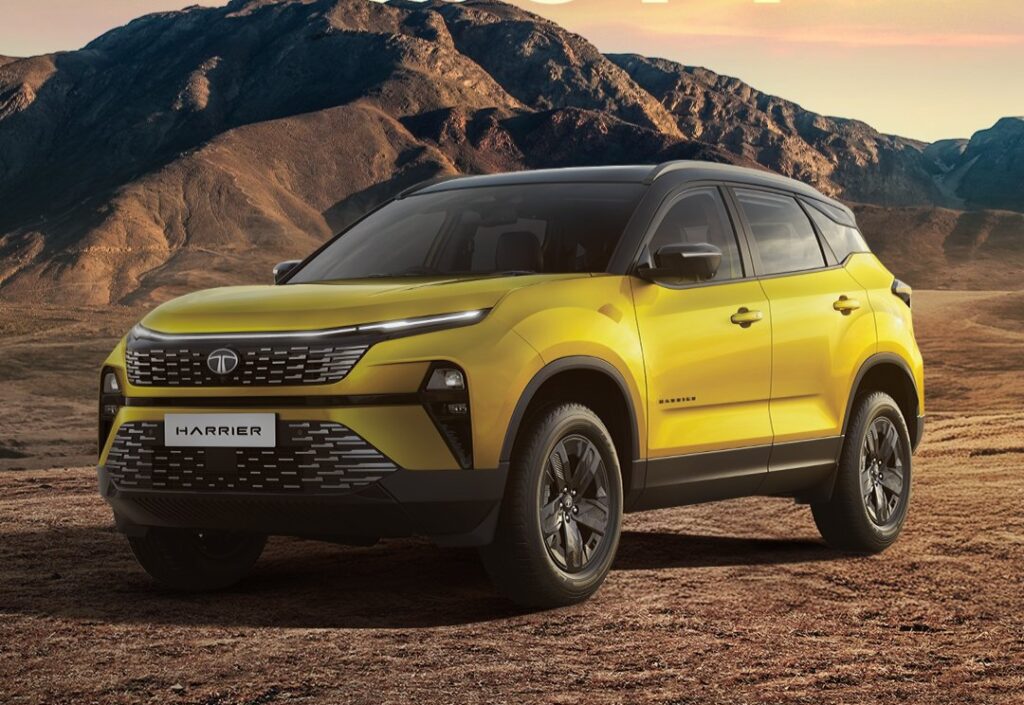
The lack of such flexibility had been a limitation for Tata. Previously, the 2.0L diesel in the Harrier and Safari was only available in a single 170hp tune due to high calibration costs. Adding a lower-powered variant — a common industry strategy for differentiating trims — wasn’t viable. This put Tata at a disadvantage compared to Mahindra, which uses the same core diesel engine across multiple vehicles in different states of tune.
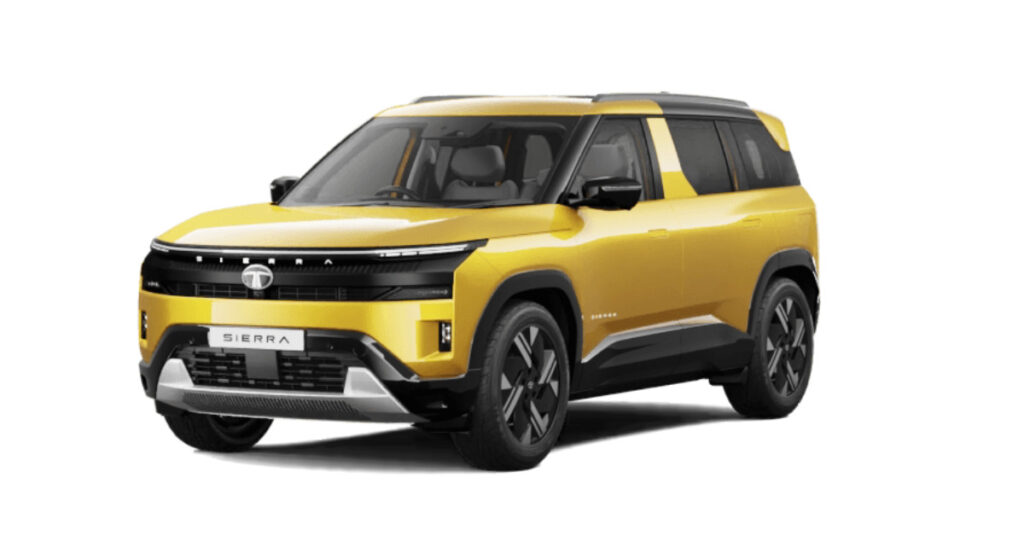
Also Read: Tata Sierra and Sierra EV Confirmed for Launch: All You Need to Know
Now, Tata plans to unlock more from the 2.0-litre diesel, with talks of boosting power up to 180hp. The new license allows in-house recalibration and performance tuning, without depending on Stellantis. Engineers working on the Harrier and Safari facelifts had long wanted more output, and this deal finally clears the path.
Importantly, the engine will continue to be built at the Ranjangaon facility under the existing manufacturing agreement with Stellantis. Jeep models like the Compass and Meridian will also continue using the same 2.0L diesel unit. However, it’s uncertain whether MG Motor India — which currently uses this engine in the Hector — will benefit from any of Tata’s upgrades, especially as MG is expected to drop diesel in future models.
From a business perspective, the move is cost-efficient. Developing an all-new large-capacity diesel engine would demand huge investments and time, with uncertain returns amid the industry’s shift toward electrification. Gaining development rights to the existing engine gives Tata a solid platform to work from, with lower costs and faster implementation.
While the 2.0L Multijet II may not be the newest diesel engine on the block, it remains well-suited for large SUVs. With development now in Tata’s hands, the engine could evolve significantly in the coming years.