Tata Motors confirms the return of the Sierra nameplate with the electric variant launching by late 2025, followed by ICE models in early 2026. Full details on design, powertrains, and features revealed.
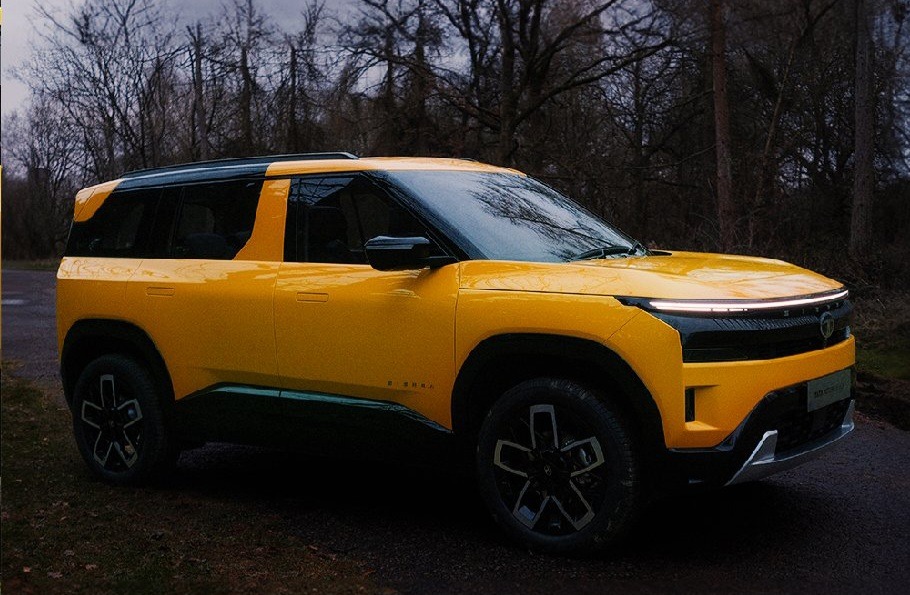
Tata Motors has officially confirmed the return of the iconic ‘Sierra’ nameplate, with both electric and internal combustion engine (ICE) versions set to hit the roads in the coming months. As revealed during the company’s latest investor presentation, the Sierra EV will be introduced first towards the end of 2025, followed by the ICE variants in early 2026. This rollout mirrors Tata’s recent launch strategy seen with the Curvv, where the EV arrived before the petrol and diesel-powered models.
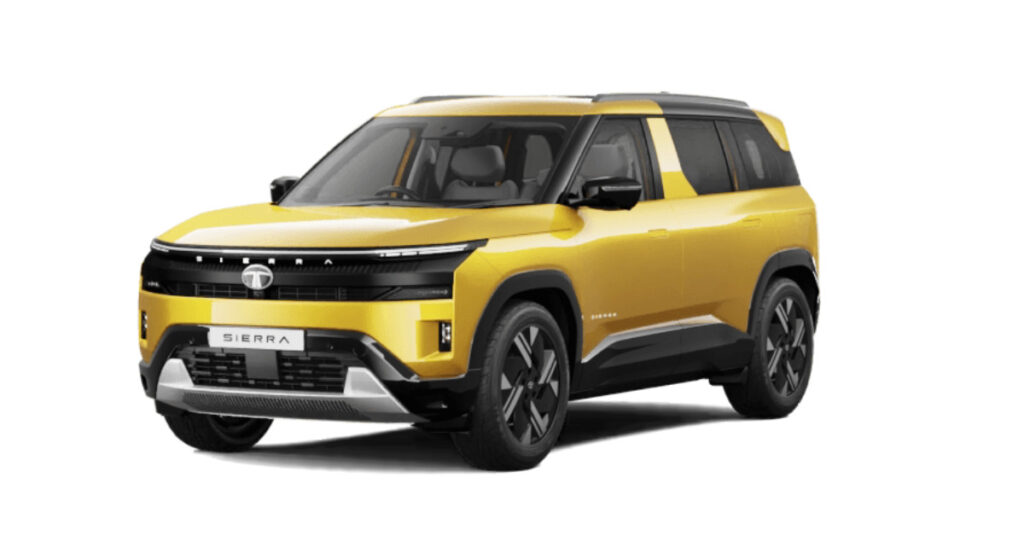
The production-ready version of the Tata Sierra EV was showcased earlier this year at the Bharat Mobility Global Expo 2025 in New Delhi. The design stays true to the original EV concept, retaining many of the signature elements that made the concept stand out while evolving them into a production-friendly form. With its bold stance, modern proportions, and nods to the classic Sierra’s silhouette—especially the wrap-around rear windows and prominent glass areas—the new model aims to blend nostalgia with innovation.
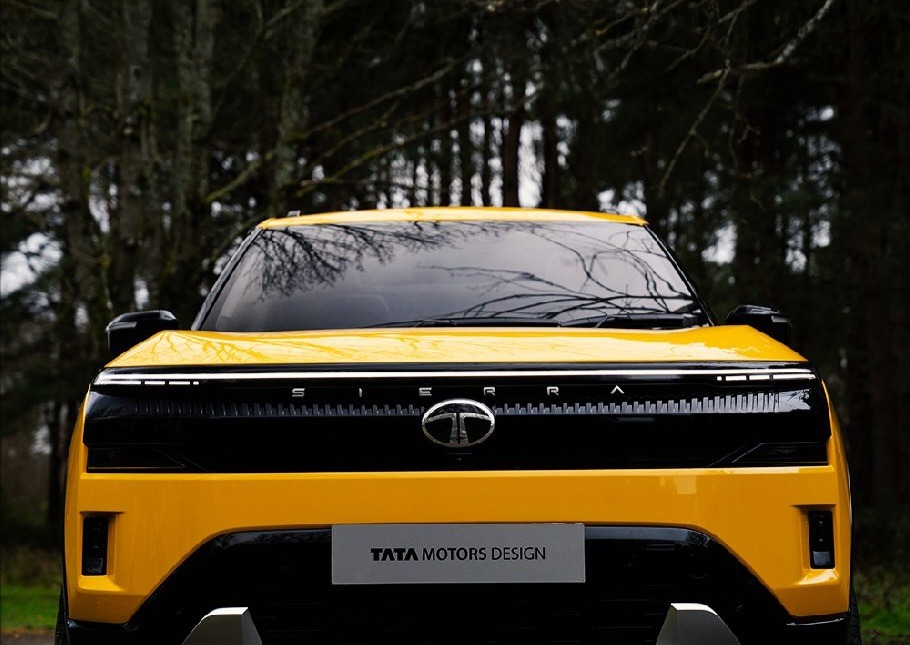
Expected to offer a range of over 500 km on a single charge, the electric Sierra is likely to be available with multiple battery pack options. While details of the powertrain are yet to be revealed, features like DC fast charging, vehicle-to-load (V2L), and vehicle-to-vehicle (V2V) charging capabilities are expected to be part of the package. A dual-motor setup—similar to what Tata is planning for the Harrier EV—could also be in the cards, although confirmation is awaited. The EV variant may also come with a lifetime battery warranty, adding extra peace of mind for early adopters.
Also Read: Mahindra Scorpio N Z4 AT Launched at ₹17.39 Lakh – Most Affordable Automatic Variant
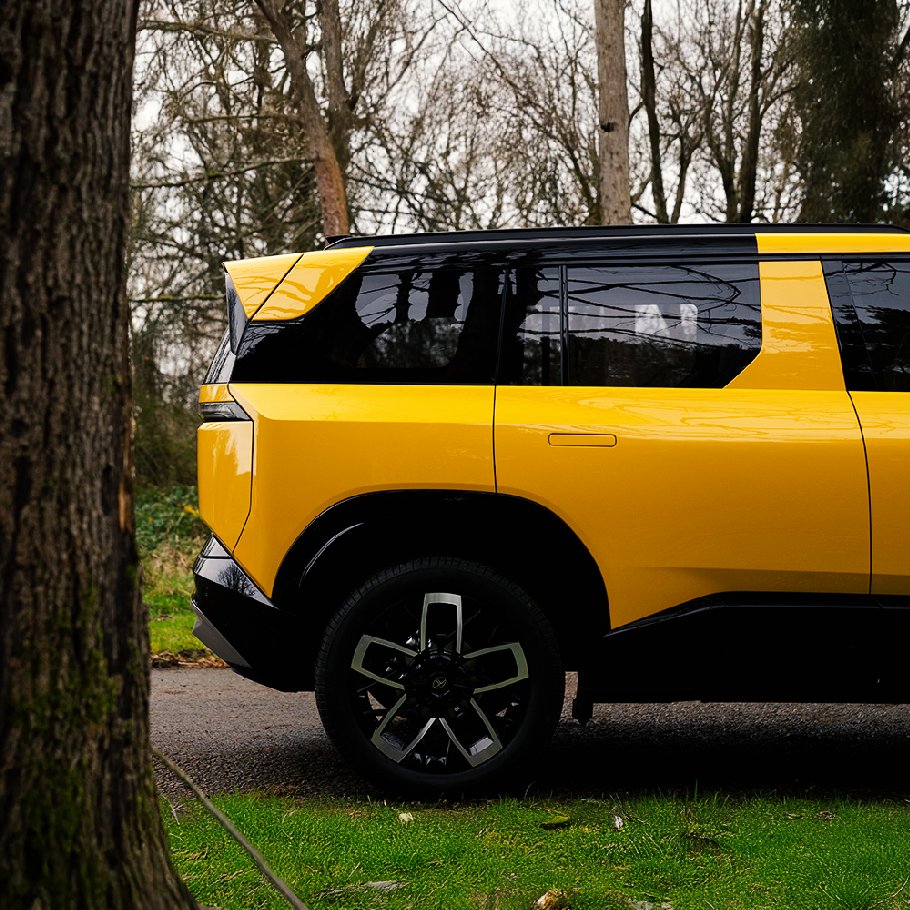
The design has been modernised but still pays homage to the original Sierra. One of the standout features is a blacked-out roof that merges seamlessly with the panoramic sunroof, creating a glass canopy effect. Strong shoulder lines, full-width LED light bars, large alloy wheels, and sharply sculpted panels further enhance its road presence.
Inside, the Sierra is expected to bring a tech-rich cabin, headlined by a triple-screen layout. This would make it the first Tata vehicle to feature three integrated digital displays—an instrument cluster, central infotainment screen, and a dedicated passenger display. Other likely features include wireless charging, ventilated seats, automatic climate control, disc brakes on all four wheels, and possibly a steering wheel with an illuminated Tata logo. Higher variants could also come equipped with ADAS (Advanced Driver Assistance Systems), continuing Tata’s focus on safety and driver convenience.
Under the hood, the ICE version of the Sierra is expected to offer a new 1.5-litre turbo-petrol engine producing around 168 PS and 280 Nm of torque, as well as the familiar 2.0-litre diesel unit generating 170 PS and 350 Nm. Transmission options are likely to include a six-speed manual, a six-speed torque converter automatic, and a seven-speed dual-clutch automatic. Tata’s newly introduced ‘Quad Wheel Drive’ technology, showcased with the Harrier EV, may also be offered in higher trims of the Sierra.
Also Read: 2025 Audi Q5 Plug-In Hybrid Revealed with Up to 100 km EV Range
With the Sierra EV’s launch expected before the close of FY2026 and the ICE models shortly after, Tata Motors is clearly aiming to build momentum in both the electric and conventional SUV segments. As the market eagerly awaits this modern reinterpretation of a classic, all eyes will be on how Tata prices and positions the Sierra in an increasingly competitive space.