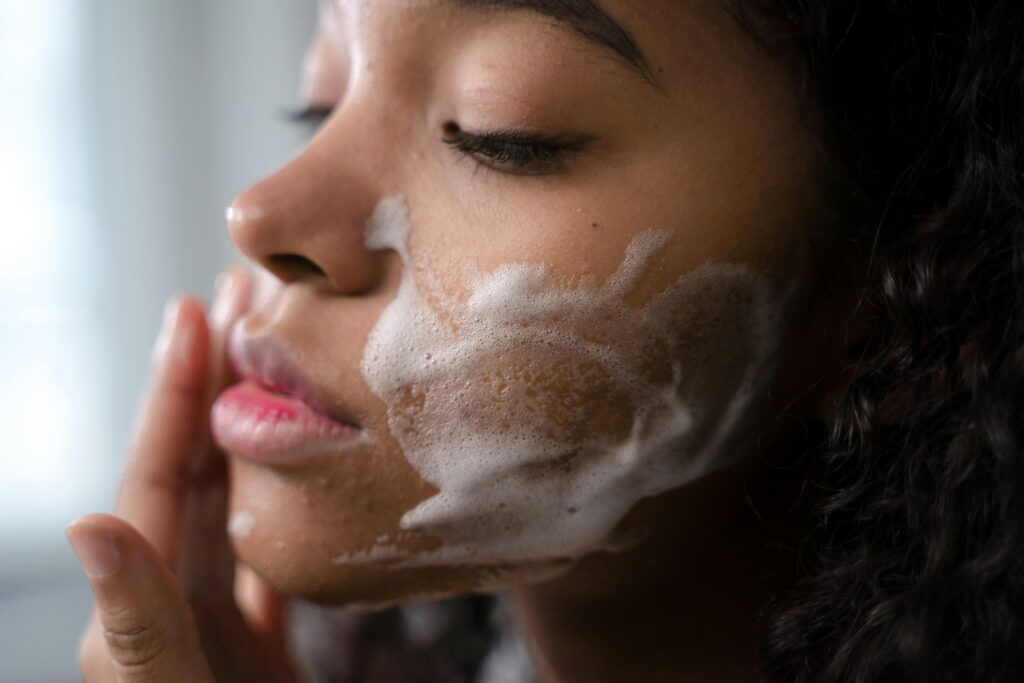

Face masks are a popular part of skincare routines, promising everything from deep cleansing to instant glow. But while the right mask can work wonders, using them the wrong way may do more harm than good. If your skin is breaking out, feeling dry, or just not improving, you might be making one or more of these common face mask mistakes.
1. Using the Wrong Mask for Your Skin Type
Not all masks are created equal. Clay masks are great for oily skin, but they can strip moisture from dry or sensitive skin. Similarly, rich cream masks may clog pores if you’re acne-prone.
What to do:
Always choose a mask formulated for your skin type:
- Oily/Acne-Prone: Clay or charcoal-based masks
- Dry/Sensitive: Hydrating gel or cream masks with soothing ingredients
- Combination: Try multimasking — use different masks on different areas
2. Overusing Face Masks
More isn’t always better. Using masks too frequently — especially exfoliating or clay masks — can damage your skin barrier, leading to irritation, dryness, or even breakouts.
What to do:
- Clay or detox masks: 1–2 times per week
- Hydrating or sheet masks: 2–3 times per week
- Peel-off or exfoliating masks: Once a week (or less)
3. Leaving Masks on Too Long
Leaving a mask on for longer than recommended can backfire. Clay masks, for example, can over-dry the skin if left on after they’ve already hardened. Sheet masks can start to pull moisture out of your skin if left on too long.
What to do:
Always follow the recommended time on the packaging, usually:
- Clay masks: 10–15 minutes
- Sheet masks: 15–20 minutes
- Peel-off masks: As directed, until fully dry
4. Skipping a Patch Test
Face masks often contain active ingredients or fragrances. Skipping a patch test can result in allergic reactions, redness, or breakouts — especially if you have sensitive skin.
What to do:
Do a patch test on a small area of your jawline or behind the ear 24 hours before using a new mask.
5. Not Prepping Your Skin
Applying a mask on dirty skin prevents it from working effectively. Dirt, oil, and makeup create a barrier that stops beneficial ingredients from absorbing.
What to do:
Always cleanse your face first with a gentle face wash to allow the mask to penetrate better.
6. Neglecting Moisturizer After Masking
Many people assume a hydrating mask is enough. But skipping moisturizer after masking can actually cause water loss, especially after rinsing or removing a mask.
What to do:
Seal in the hydration with a light moisturizer, especially after clay, sheet, or gel masks.
7. Using Harsh Ingredients Together
Combining a strong exfoliating mask with retinol, AHAs, or scrubs on the same day can cause redness, peeling, or sensitivity.
What to do:
Avoid layering harsh treatments. If you’ve used an exfoliating or detox mask, keep the rest of your routine gentle and soothing.
8. Applying Too Much Product
A thick layer doesn’t always mean better results. Overloading your skin can clog pores and waste product.
What to do:
Apply a thin, even layer — enough to cover your skin without piling it on.
9. Using Expired Masks
Expired ingredients can irritate skin or lose effectiveness. This is especially true for natural or DIY masks that spoil quickly.
What to do:
Check expiration dates, and discard masks that smell off or have changed in texture.
10. Not Rinsing Properly
Leaving residue from rinse-off masks can lead to clogged pores and dull skin.
What to do:
Use lukewarm water and gently remove all mask residue with your fingers or a soft cloth. Follow with toner and moisturizer.
Final Thoughts
Face masks can be a powerful tool in your skincare routine — but only when used correctly. Avoiding these common mistakes ensures that you’re actually helping your skin rather than harming it. Always listen to your skin and adjust your routine based on how it responds.
Disclaimer: This article is for informational purposes only and does not substitute professional skincare advice. If you have persistent skin issues, consult a dermatologist before trying new treatments.
Also Read: Rice Water for Hair: Benefits, How to Use, and Does It Really Work?
Also Read: Why Double Cleansing Is the Skincare Game-Changer You Didn’t Know You Needed
Also Read: Daily Showers May Harm Your Skin: Dermatologists Advise Caution