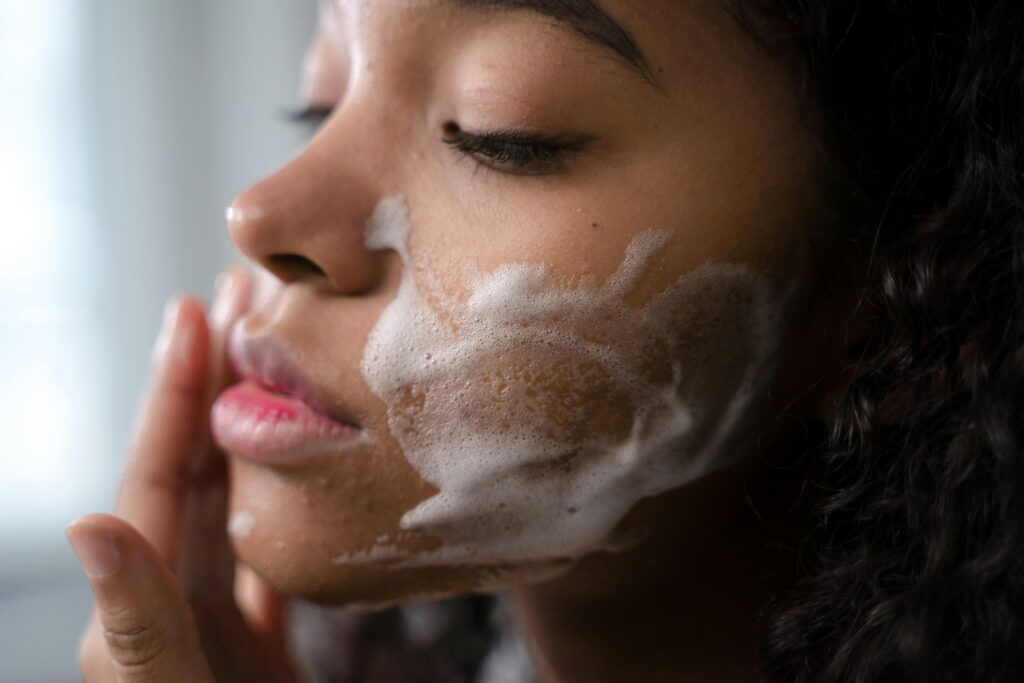

When it comes to skincare, there’s no one-size-fits-all — especially for your face, where different areas often have different needs. That’s where multimasking comes in, a smart and customizable face mask trend that allows you to treat multiple skin issues at the same time.
Let’s explore what multimasking is, why it’s trending, and how to do it right for your unique skin.
What Is Multimasking?
Multimasking is the technique of applying different types of face masks to specific zones of your face depending on the skin concern. For example, you might use a clay mask on your oily T-zone and a hydrating mask on your dry cheeks — all in one session.
It’s an ideal method for combination skin, or anyone dealing with multiple issues like acne, dryness, dullness, and sensitivity simultaneously.
Why Is Multimasking Trending?
- Personalized care: You treat each area of your face based on its needs.
- Time-saving: No need for separate treatments.
- Visible results: Addresses issues more precisely, leading to healthier-looking skin.
- Perfect for Self-Care Routines: It’s social media–friendly, fun, and effective.
Common Skin Zones & Recommended Masks
Here’s how to approach each area:
1. T-Zone (Forehead, Nose, Chin)
- Concerns: Oily, acne-prone, clogged pores
- Best Masks: Clay masks, charcoal masks, salicylic acid masks
2. Cheeks
- Concerns: Dryness, dullness, redness
- Best Masks: Hydrating gel masks, cream masks, aloe vera or honey-based masks
3. Under-Eyes
- Concerns: Puffiness, dark circles, dryness
- Best Masks: Eye patches, caffeine masks, hyaluronic acid gel masks
4. Jawline
- Concerns: Hormonal acne, inflammation
- Best Masks: Clay or sulfur masks with anti-inflammatory ingredients
How to Do Multimasking Step-by-Step
Step 1: Cleanse Your Skin
Start with a gentle cleanser to remove dirt, oil, and makeup.
Step 2: Map Your Face
Look closely at your skin and identify which areas need what kind of care.
Step 3: Apply the Masks Strategically
- Use a clay mask on your oily areas
- Apply a hydrating mask to dry spots
- Dab a soothing mask on sensitive or irritated areas
Step 4: Leave On for 10–15 Minutes
Stick to the shortest recommended time to avoid over-treatment of sensitive areas.
Step 5: Rinse Off Gently
Use lukewarm water and a soft cloth or your hands to rinse each area gently.
Step 6: Moisturize
Seal in the benefits with a lightweight, non-comedogenic moisturizer.
Tips for Best Results
- Use non-irritating, fragrance-free masks if you have sensitive skin.
- Don’t overlap too many active ingredients (like acids or exfoliants).
- Do multimasking once or twice a week based on your skin’s needs.
- Avoid overloading your face with product — a thin layer is enough.
Who Can Benefit Most from Multimasking?
- People with combination skin
- Those experiencing hormonal breakouts
- Individuals who struggle with seasonal dryness and oiliness
- Anyone who wants to customize their skincare regimen
Final Thoughts
Multimasking is more than a skincare trend — it’s a personalized and efficient way to care for your skin’s unique zones. With the right products and technique, it can help you achieve balanced, clearer, and healthier skin without adding extra time to your routine.
Disclaimer: This article is for informational purposes only. Always perform a patch test before trying new skincare products and consult a dermatologist for persistent or severe skin issues.
Also Read: 10 Face Mask Mistakes That Could Be Damaging Your Skin (And How to Avoid Them)
Also Read: Why Double Cleansing Is the Skincare Game-Changer You Didn’t Know You Needed
Also Read: Rice Water for Hair: Benefits, How to Use, and Does It Really Work?