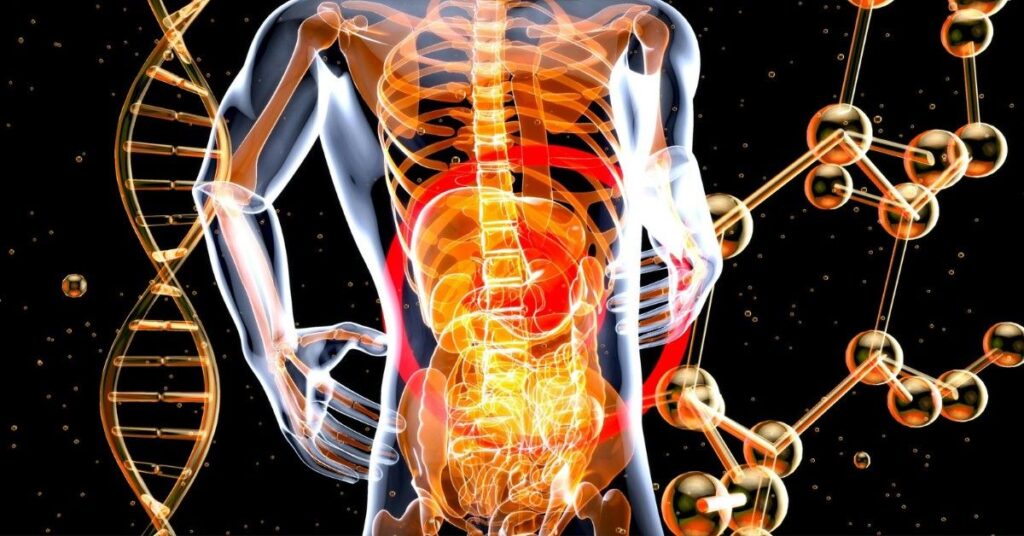

Gut health is an often overlooked but essential aspect of overall well-being. From digesting food to producing hormones, your gut plays a crucial role in maintaining your body’s functions. It’s not just about digestion—your gut health impacts your immunity, mood, and even your skin health. Unfortunately, many people struggle with digestive issues without realizing how much it affects their quality of life.
In this article, we’ll explore why gut health matters and how you can spot the signs that your digestive system needs some attention. Whether you’re dealing with bloating, fatigue, or unexplained skin issues, it’s crucial to pay attention to these symptoms and take proactive steps toward a healthier gut.
Why Gut Health is Crucial
The gut is home to trillions of microbes, including bacteria, fungi, and viruses, collectively known as the gut microbiome. This complex ecosystem plays a central role in many vital functions, such as:
- Digestion and Nutrient Absorption: Your gut breaks down food and absorbs nutrients. If it’s not functioning properly, your body may struggle to absorb essential nutrients, leading to deficiencies.
- Immune System Support: A significant portion of your immune system resides in the gut. Healthy gut bacteria support immune function, helping to protect against illness.
- Mood Regulation: Approximately 90% of serotonin, the hormone that regulates mood, is produced in the gut. This means gut health is directly linked to your mental health, with a poorly balanced microbiome potentially contributing to conditions like anxiety and depression.
- Skin Health: Imbalances in gut bacteria can trigger skin issues, including acne, eczema, and rosacea. This is often referred to as the “gut-skin axis,” where inflammation in the gut can manifest on the skin.
When the gut microbiome is out of balance (a condition called dysbiosis), it can lead to a wide variety of health issues, affecting everything from your energy levels to your mental clarity.
Signs Your Gut Needs Attention
It can be difficult to pinpoint gut issues, as symptoms are often vague and may seem unrelated to digestion. However, several common signs can indicate that your digestive system is in need of care.
1. Frequent Bloating or Gas
If you often feel bloated after meals or experience excessive gas, it could be a sign of poor digestion or an imbalance in your gut bacteria. While bloating is common after eating certain foods, constant discomfort may suggest that your gut isn’t processing food properly.
2. Irregular Bowel Movements
One of the most obvious signs of poor gut health is irregularity in bowel movements. This includes chronic constipation, diarrhea, or alternating between the two. If you’re struggling with digestion or not passing stool regularly, it’s essential to examine your diet and lifestyle choices to identify potential causes.
3. Unexplained Fatigue
Constant fatigue, even after a good night’s sleep, may be linked to digestive issues. A sluggish digestive system can lead to poor nutrient absorption, leaving you feeling drained. Additionally, gut problems can disrupt your sleep cycle, causing tiredness throughout the day.
4. Skin Issues Like Acne or Eczema
Your gut and skin are deeply connected. An unhealthy gut can lead to inflammation that manifests as acne, eczema, rosacea, or other skin conditions. If you notice skin flare-ups that aren’t resolved by topical treatments, the root cause could be gut-related.
5. Frequent Illness or Weakened Immunity
About 70% of the immune system is housed in the gut. So, if you’re getting sick more often than usual or have a slower recovery time, your gut health may be compromised. Dysbiosis can weaken your immune defenses, making you more susceptible to infections and illnesses.
6. Food Intolerances
A sudden onset of food intolerances or sensitivities can be a sign of gut distress. If certain foods are causing digestive issues like gas, cramps, or nausea, it could indicate an imbalance of gut bacteria or a compromised digestive system.
7. Mood Swings, Anxiety, or Depression
Gut health isn’t just physical—it’s mental too. The gut-brain connection is real, with the gut producing a significant amount of serotonin, a neurotransmitter that affects mood and emotions. If your gut is out of balance, it could contribute to mood swings, anxiety, depression, and other mental health issues.
How to Improve Your Gut Health Naturally
The good news is that improving gut health is possible with the right dietary and lifestyle changes. While gut health takes time to improve, small adjustments can make a big difference.
1. Eat a Fiber-Rich Diet
Fiber is a powerful tool for digestive health. It acts as a food source for healthy gut bacteria, helping to keep your digestive system running smoothly. Foods like fruits, vegetables, whole grains, and legumes are rich in fiber and can support your gut health.
2. Add Fermented Foods to Your Diet
Fermented foods are rich in probiotics, beneficial bacteria that support gut health. Incorporating foods like yogurt, kefir, sauerkraut, kimchi, and kombucha into your diet can help restore balance in the microbiome. These foods help introduce healthy bacteria to your gut, promoting digestion and nutrient absorption.
3. Limit Processed Foods and Sugar
Highly processed foods and sugar can harm gut health by feeding harmful bacteria. These foods can also promote inflammation in the gut, leading to further imbalances. Reducing your intake of processed foods, refined sugars, and artificial additives will benefit your gut in the long run.
4. Stay Hydrated
Water is essential for digestion. It helps break down food and supports nutrient absorption. Additionally, staying hydrated helps prevent constipation and keeps your bowel movements regular.
5. Manage Stress
Chronic stress has a negative impact on gut health. Stress can alter gut bacteria, cause inflammation, and disrupt digestion. Incorporating stress-relieving activities like yoga, meditation, or deep breathing exercises into your daily routine can significantly improve gut function.
6. Get Enough Sleep
Sleep is vital for both physical and mental health, and it plays a role in maintaining a healthy gut. Poor sleep can lead to dysbiosis, which can worsen digestive issues. Aim for 7-8 hours of quality sleep each night to support gut health.
7. Consider Probiotics
Probiotics are beneficial bacteria that can help restore balance in the gut. If you’ve had a course of antibiotics or are dealing with chronic digestive issues, a probiotic supplement may be beneficial. Always consult a healthcare professional before starting any new supplements.
Final Thoughts
Your gut health is central to your overall well-being. An imbalance in your digestive system can affect everything from your immune system to your mental health. If you experience any of the signs mentioned above, it’s important to address them early by making lifestyle and dietary changes that support gut health.
Remember, a healthy gut contributes to a healthy body and mind. By incorporating fiber-rich foods, probiotics, stress management, and quality sleep, you can take steps toward better gut health and, ultimately, better overall health.
Also Read: How Stress Sabotages Weight Loss — And How You Can Fight Back
Also Read: Why Blueberries Are the Superfood Your Body Needs
Also Read: Morning vs Evening Workouts: What’s Better for Your Health?