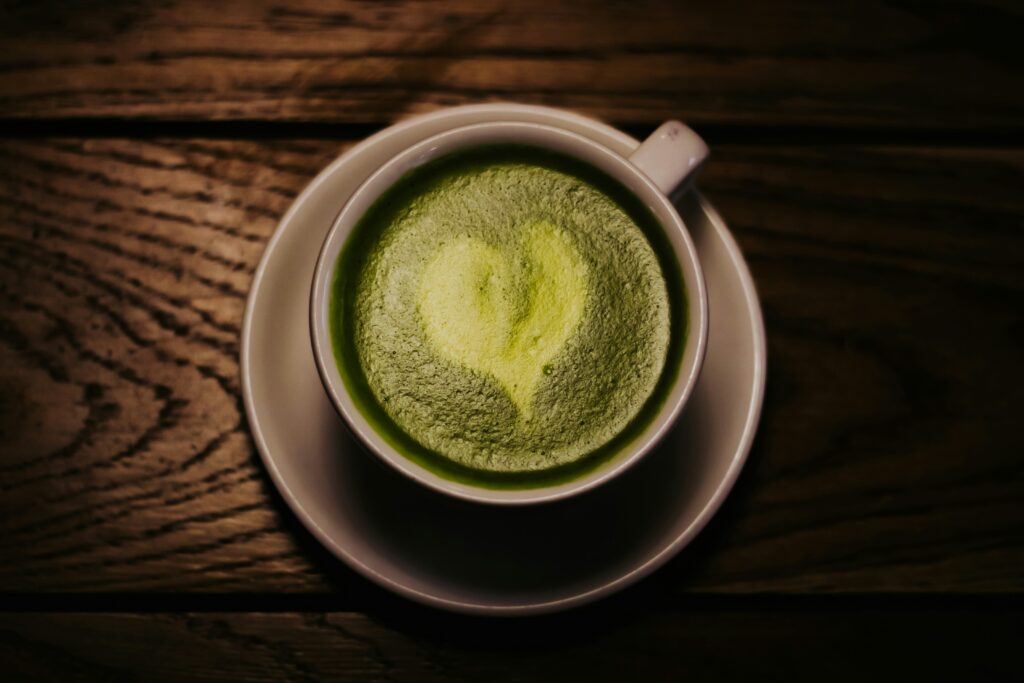
In the wellness world of 2025, matcha green tea is more than just a trendy drink—it’s a superfood with real, science-backed benefits. From boosting energy and metabolism to supporting mental clarity and glowing skin, matcha has earned its place in your daily routine.
Let’s explore why health enthusiasts, nutritionists, and fitness experts are all raving about this vibrant green powder.
What Is Matcha Green Tea?
Matcha is a finely milled powder made from shade-grown green tea leaves, primarily cultivated in Japan. Unlike traditional green tea, where the leaves are steeped and discarded, matcha is consumed whole, delivering a more concentrated source of nutrients.
Because of the unique growing and preparation process, matcha contains higher levels of antioxidants, amino acids, and vitamins than regular green tea.
Top 7 Health Benefits of Matcha Green Tea
1. Rich in Antioxidants
Matcha is packed with catechins, particularly EGCG (epigallocatechin gallate), a powerful antioxidant known for its cancer-fighting properties. In fact, matcha contains up to 137 times more antioxidants than regular brewed green tea, making it a potent tool for fighting oxidative stress and inflammation.
2. Boosts Energy and Focus
Unlike coffee, matcha provides a calm and sustained energy boost. It contains a moderate amount of caffeine and L-theanine, an amino acid that promotes relaxation without drowsiness. This combination enhances concentration and focus without the jittery side effects of traditional stimulants.
3. Supports Weight Loss
Matcha can aid in weight management by boosting metabolism and increasing fat oxidation. Several studies suggest that drinking matcha regularly may enhance the body’s ability to burn calories more efficiently, especially when combined with exercise.
4. Detoxifies Naturally
Because matcha is grown in the shade, it develops higher levels of chlorophyll, a natural detoxifier that helps eliminate heavy metals and toxins from the body. This makes matcha an excellent addition to a detox or cleansing regimen.
5. Enhances Heart Health
Regular matcha consumption may lower levels of bad LDL cholesterol and reduce blood pressure, both of which are risk factors for heart disease. The tea’s anti-inflammatory properties also support overall cardiovascular health.
6. Strengthens the Immune System
Matcha’s high antioxidant content, combined with its rich supply of vitamins (A, C, E, and K), helps bolster the immune system. This is especially beneficial during cold and flu seasons or times of high stress.
7. Improves Skin Health
Thanks to its anti-inflammatory and antibacterial properties, matcha may help combat acne and other skin issues. The antioxidants also promote youthful, glowing skin by reducing damage caused by UV rays and environmental pollutants.
Potential Side Effects of Matcha Green Tea
Although matcha green tea is widely regarded as safe and beneficial, it’s important to be mindful of possible side effects—especially when consumed in excess or by individuals with certain sensitivities. Here are some of the most commonly reported concerns:
1. Caffeine Sensitivity
Matcha contains more caffeine than most other teas—typically around 60–70 mg per serving. While this is less than a cup of coffee, it can still lead to side effects in people who are sensitive to caffeine. These may include:
- Insomnia or difficulty falling asleep
- Increased heart rate or palpitations
- Nervousness or jitteriness
- Headaches or irritability
To minimize the risk, it’s best to avoid matcha in the late afternoon or evening.
2. Digestive Issues
Because matcha is highly concentrated, drinking it on an empty stomach can sometimes cause nausea or stomach upset. The strong antioxidants and tannins may irritate the lining of the stomach, especially in those with acid reflux or gastrointestinal sensitivities.
3. Iron Absorption Interference
Matcha contains catechins, which are known to inhibit iron absorption from plant-based foods. This could be a concern for people with iron deficiency or anemia. To avoid this effect, it’s recommended to drink matcha at least one hour before or after iron-rich meals.
4. Possible Contaminants in Low-Quality Matcha
Not all matcha is created equal. Lower-quality or non-organic matcha may contain harmful substances such as:
- Pesticide residues
- Heavy metals (like lead)
- Synthetic additives
To ensure safety, always choose high-grade, organic matcha from reputable sources.
5. Liver Stress (When Overconsumed)
Although rare, excessive matcha consumption—especially in supplement or extract form—can put stress on the liver due to its potent antioxidant content. Moderation is key, and most health professionals recommend no more than 1–2 servings per day.
How to Make Matcha Green Tea
Steps:
- Sift the Matcha: Place the matcha powder into the bowl through a sifter to remove clumps.
- Add Hot Water: Pour the hot water into the bowl with the sifted matcha.
- Whisk: Using the chasen, whisk the mixture briskly in a zigzag (M or W) motion until a frothy layer forms on the surface.
- Enjoy: Sip directly from the bowl and savor the rich, umami flavor.
Tips:
- Avoid boiling water, as it can make the matcha taste bitter.
- For a creamier beverage, add steamed milk to create a matcha latte.
- To enjoy it cold, pour the prepared matcha over ice.
How Much Matcha Is Safe Per Day?
Most health experts recommend consuming no more than 1–2 teaspoons (1–2 servings) per day. This allows you to enjoy the benefits without overloading on caffeine or antioxidants.
Disclaimer: The content of this article is for informational purposes only and should not be considered professional medical advice. Always consult with a qualified healthcare provider regarding any health concerns.