Sesame seeds are a nutrient-packed superfood that supports heart health, strengthens bones, and boosts overall wellness. Adding them to your diet can provide antioxidants, improve digestion, and promote healthy skin.
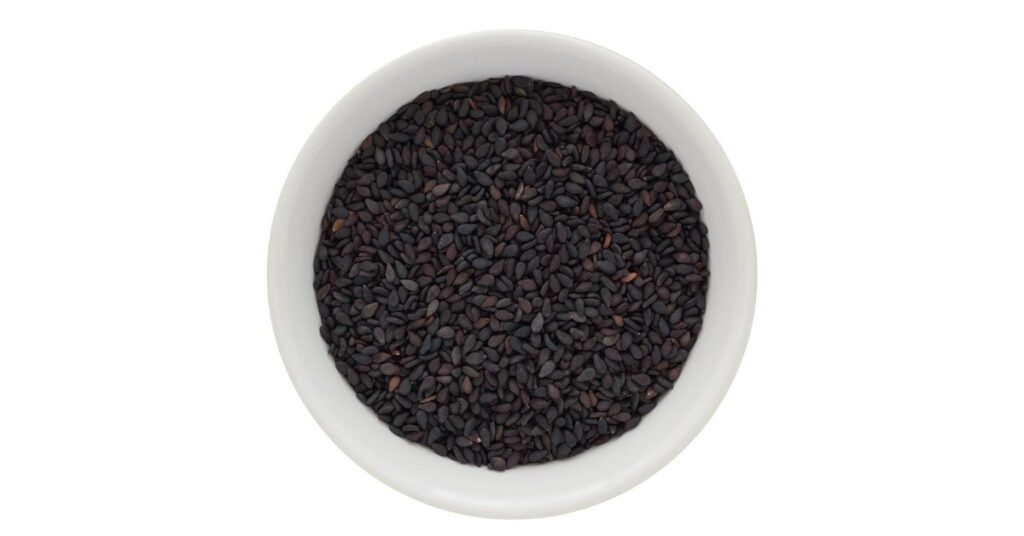
Sesame seeds may be small, but they’re packed with nutrients that make them a valuable addition to a healthy diet. These tiny, oil-rich seeds come from the sesame plant (Sesamum indicum) and have been used for centuries in both culinary and medicinal traditions across the world. From promoting heart health to supporting bone strength, here’s a look at the key health benefits of sesame seeds.
1. Rich Source of Nutrients
Sesame seeds are loaded with essential nutrients. Just a small serving provides a good amount of protein, healthy fats, fiber, and important minerals like calcium, magnesium, iron, and zinc. These nutrients are vital for energy production, immune support, and maintaining healthy bones.
2. Supports Heart Health
Sesame seeds are a good source of monounsaturated and polyunsaturated fats, which can help lower bad cholesterol (LDL) levels. They also contain lignans and antioxidants like sesamin and sesamol, which may reduce inflammation and protect against heart disease.
3. Boosts Bone Strength
Calcium, magnesium, and phosphorus in sesame seeds contribute to maintaining strong and healthy bones. These nutrients are especially important for growing children, older adults, and those at risk of osteoporosis.

4. Aids in Blood Pressure Control
Magnesium found in sesame seeds is known to help regulate blood pressure. In addition, the antioxidants and polyunsaturated fats may further support cardiovascular health by improving blood circulation and vessel function.
5. Helps with Blood Sugar Management
The fiber and healthy fats in sesame seeds can help slow down digestion and reduce spikes in blood sugar levels. Some research suggests that sesame seed compounds may also improve insulin sensitivity, making them beneficial for people with type 2 diabetes.
6. Rich in Antioxidants
Sesame seeds contain plant compounds that act as antioxidants, which help protect the body from oxidative stress. These antioxidants can contribute to reducing the risk of chronic diseases and slowing the aging process.
7. Supports Hormonal Balance
Sesame seeds are a good source of phytoestrogens, plant-based compounds that mimic estrogen in the body. This can be helpful for women going through menopause by helping to manage symptoms like hot flashes and mood swings.
8. Improves Digestive Health
The dietary fiber in sesame seeds helps promote regular bowel movements and a healthy gut. Fiber also supports the growth of beneficial bacteria in the digestive system.
9. May Support Skin and Hair Health
The high levels of zinc, vitamin E, and healthy fats in sesame seeds can promote glowing skin and healthy hair. Zinc is especially important for collagen production, which helps keep the skin firm and elastic.
Also Read: 7 Surprising Health Benefits of Eating Dried Apricots
How to Use Sesame Seeds
- Sprinkle toasted sesame seeds on salads, stir-fries, or rice.
- Add them to smoothies or homemade granola.
- Use tahini (a paste made from ground sesame seeds) as a dip or spread.
- Mix into baked goods like bread, cookies, or energy bars.
Final Thoughts
Sesame seeds are more than just a garnish—they’re a nutritional powerhouse with numerous health benefits. Adding them regularly to your meals can be a simple and effective way to boost your nutrient intake and support your overall well-being. Just be mindful of portion sizes, especially if you’re watching your calorie intake, as they are calorie-dense.
Also Read: 10 Everyday Habits That Secretly Harm Your Health