Stress and anxiety are often dismissed as mere mental burdens, but their impact extends far beyond emotional discomfort. Chronic exposure to stress and anxiety can lead to a cascade of health issues, affecting nearly every system in the body. Here’s an in-depth look at how these conditions can compromise your health and what you can do to mitigate their effects.
Cardiovascular Complications
Persistent stress and anxiety can wreak havoc on the heart and blood vessels. Elevated stress hormones like cortisol and adrenaline increase heart rate and blood pressure, which over time can lead to hypertension, heart disease, and even stroke. Individuals with existing heart conditions may find their symptoms exacerbated, increasing the risk of serious cardiac events.
Digestive Disturbances
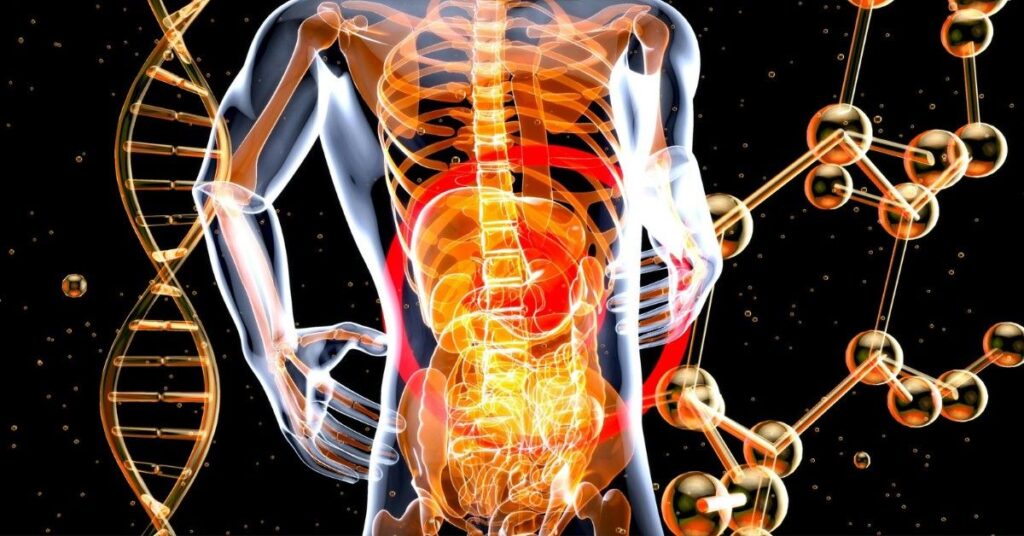
The gut is highly sensitive to emotional states. Chronic stress can disrupt normal digestive functions, leading to issues such as indigestion, bloating, diarrhea, or constipation. In severe cases, stress may contribute to the development or worsening of gastrointestinal disorders like irritable bowel syndrome (IBS).
Immune System Suppression
Long-term stress impairs the immune system’s ability to function effectively. This suppression makes the body more susceptible to infections and slows down the healing process. Additionally, stress-related immune dysregulation has been linked to the progression of diseases such as cancer and HIV.
Mental Health Decline
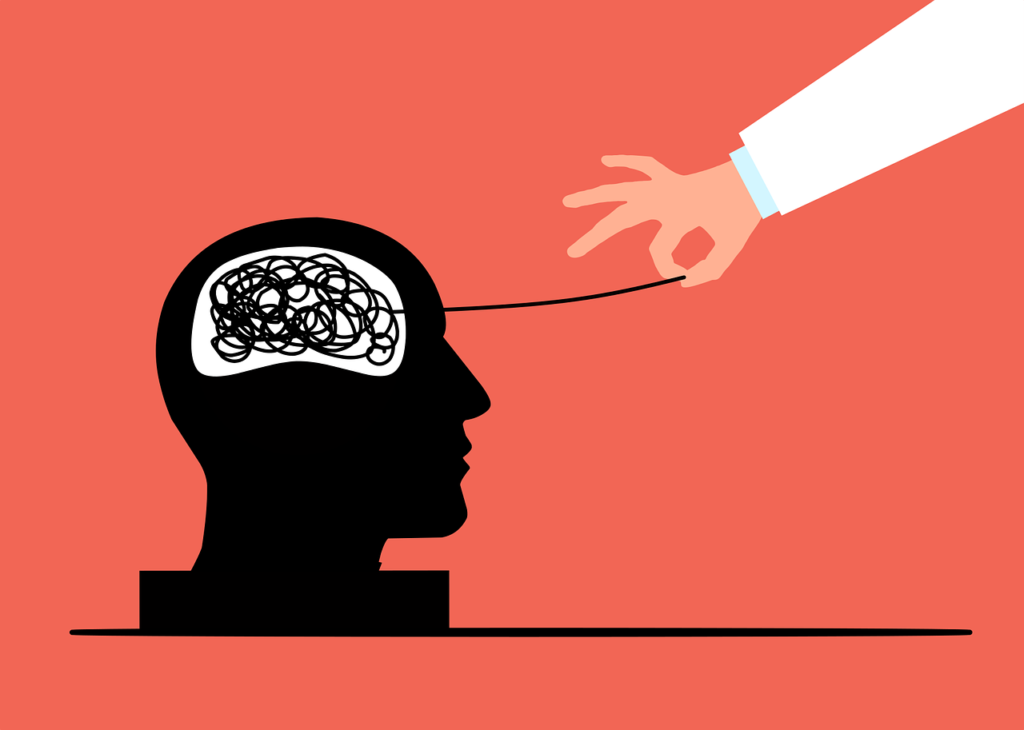
Unmanaged stress and anxiety are significant risk factors for mental health disorders, including depression and substance abuse. The constant state of worry and tension can lead to feelings of hopelessness, irritability, and social withdrawal, further deteriorating one’s mental well-being.
Sleep Disruptions
Stress and anxiety often interfere with sleep patterns, causing difficulties in falling asleep or staying asleep. This lack of restorative sleep can lead to chronic fatigue, decreased concentration, and a weakened immune response, creating a vicious cycle that exacerbates stress levels.
Weight Fluctuations
Stress can lead to significant changes in appetite, resulting in weight gain or loss. Some individuals may turn to comfort eating, while others might experience a reduced appetite. These fluctuations can have long-term effects on metabolic health and increase the risk of obesity-related conditions.
Cognitive Impairments
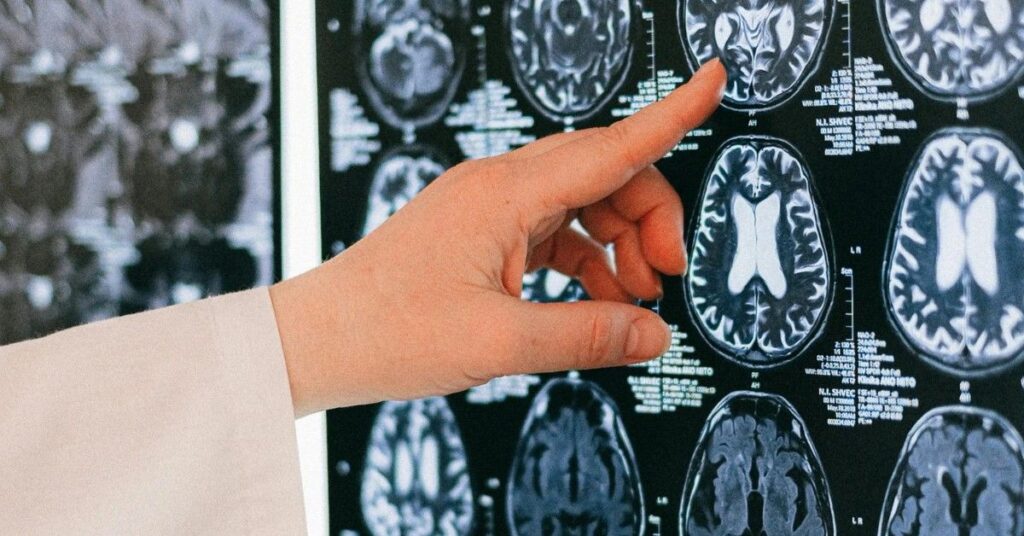
Chronic stress negatively affects brain function, impairing memory, attention, and decision-making abilities. Over time, this cognitive decline can impact daily functioning and quality of life.
Reproductive Health Issues
In women, prolonged stress can disrupt menstrual cycles and reduce fertility. In men, it may lead to decreased testosterone levels and sperm production, affecting reproductive capabilities.
Behavioral Changes
&íStress and anxiety can lead to unhealthy coping mechanisms, such as increased consumption of alcohol, tobacco, or drugs. These behaviors not only fail to address the underlying issues but also introduce additional health risks.
Effective Strategies for Managing Stress and Anxiety
- Deep Breathing Exercises: Practicing slow, deep breathing can activate the body’s relaxation response, reducing heart rate and promoting a sense of calm. Techniques such as diaphragmatic breathing involve inhaling deeply through the nose, allowing the abdomen to expand, and exhaling slowly through the mouth. Regular practice can help manage acute stress and anxiety episodes.
- Mindfulness and Meditation: Mindfulness involves paying deliberate attention to the present moment without judgment. Meditation practices, such as mindfulness-based stress reduction (MBSR), have been shown to decrease anxiety and improve emotional regulation. Incorporating mindfulness into daily routines can enhance self-awareness and resilience.
- Regular Physical Activity: Engaging in regular exercise releases endorphins, the body’s natural mood elevators. Activities like walking, yoga, or swimming can reduce stress hormones and improve overall mental health. Aim for at least 30 minutes of moderate exercise most days of the week.
- Healthy Lifestyle Choices
- Balanced Diet: Consuming a nutritious diet rich in fruits, vegetables, lean proteins, and whole grains supports brain health and energy levels.
- Adequate Sleep: Prioritizing 7-9 hours of quality sleep each night helps regulate mood and stress responses.
- Limiting Stimulants: Reducing intake of caffeine and alcohol can prevent exacerbation of anxiety symptoms.
- Social Support: Maintaining connections with friends, family, or support groups provides emotional comfort and practical assistance during stressful times. Sharing feelings and experiences can alleviate feelings of isolation and promote coping.
- Time Management and Goal Setting: Organizing tasks and setting realistic goals can prevent feelings of overwhelm. Breaking tasks into manageable steps and prioritizing responsibilities help in maintaining control and reducing stress.
- Professional Help: If stress and anxiety become unmanageable, seeking professional assistance from a psychologist or counselor is advisable. Therapies such as cognitive-behavioral therapy (CBT) have proven effective in treating anxiety disorders by addressing negative thought patterns and behaviors.
Conclusion
Managing stress and anxiety is a multifaceted process that involves adopting healthy habits, practicing relaxation techniques, and seeking support when necessary. By implementing these strategies, individuals can enhance their resilience and improve their overall quality of life. Remember, it’s essential to be patient and compassionate with oneself during this journey toward better mental health.