Jamun is a summer superfruit known for managing blood sugar, boosting immunity, and aiding digestion. Discover its key health benefits and how to include it in your diet.
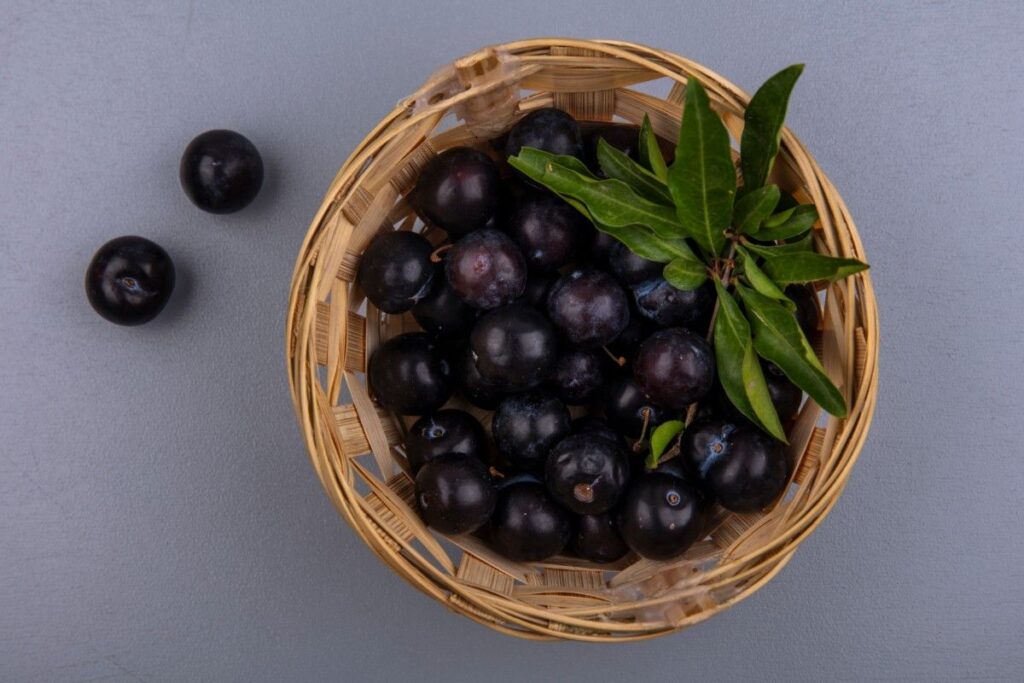
As temperatures climb during the summer, markets begin to fill with the deep purple, glossy fruit known as jamun. Also called Java plum or Indian blackberry, jamun is more than just a refreshing seasonal treat. Behind its tangy-sweet taste lies a powerhouse of nutrients and medicinal value, making it one of the most underrated fruits of the season.
Packed with Nutrients
Jamun is a low-calorie fruit loaded with essential nutrients. It contains vitamin C, iron, calcium, potassium, and various antioxidants. Its high water content makes it hydrating, while the natural sugars in the fruit give it a subtle sweetness that doesn’t spike blood sugar levels as rapidly as other fruits.
1. Helps Control Blood Sugar Naturally
Jamun is a favorite among people looking for natural ways to manage diabetes. It contains unique plant compounds—jamboline and jambosine—that can help regulate how your body uses insulin. Even the seeds of jamun are often dried and powdered as a traditional remedy to support healthy blood sugar levels.
2. Aids Digestion and Gut Health
Feeling bloated or constipated? Jamun might help. It’s high in dietary fiber, which keeps your digestive system moving smoothly. The fruit also has natural astringent properties that support gut function and reduce common digestive issues.
3. Boosts Immunity
Your immune system could use all the help it can get, and jamun delivers. Thanks to its high vitamin C and antioxidant content, jamun helps fight off infections and reduces inflammation in the body.
4. Supports Healthy Skin
Jamun isn’t just good for your insides. Its antibacterial and anti-inflammatory properties make it beneficial for your skin too. Whether you’re dealing with acne or oily skin, jamun may help regulate sebum production and promote a healthier complexion.
Also Read: Sesame Seeds: A Tiny Superfood with Big Health Benefits
5. Promotes Heart Health
Jamun is rich in potassium, a mineral that helps maintain normal blood pressure. Its antioxidants also contribute to better heart health by protecting blood vessels and reducing oxidative stress.
6. Helps with Weight Loss Goals
If you’re watching your weight, jamun makes a perfect snack. It’s low in calories and high in fiber, which helps you feel full and satisfied without overeating. The fruit’s natural sweetness also makes it a great substitute for sugary desserts.
7. Improves Hemoglobin Levels
Jamun is a good source of iron, which is essential for healthy red blood cells. Including jamun in your diet can help prevent or manage mild anemia and boost your overall energy levels.
Also Read: 10 Everyday Habits That Secretly Harm Your Health
How to Eat Jamun
You can enjoy jamun fresh from the market, as a juice, or even add it to smoothies. Some people like to mix jamun seed powder into warm water or herbal drinks, especially for blood sugar support.
Pro tip: Try sprinkling a pinch of black salt over fresh jamun—it enhances the flavor and supports digestion.
Are There Any Side Effects?
For most people, jamun is safe when eaten in moderation. But if you’re on medication for diabetes or have low blood sugar, speak with your doctor before adding large quantities—or jamun seed powder—to your diet. Also, avoid drinking water immediately after eating jamun, as it may cause throat irritation for some.
Final Thoughts
Nature offers its own version of medicine through fruits like jamun. Whether you’re managing a health condition or simply looking for a nutritious summer snack, jamun checks all the right boxes. It’s tasty, healing, and only available for a limited time each year—so grab it while you can.