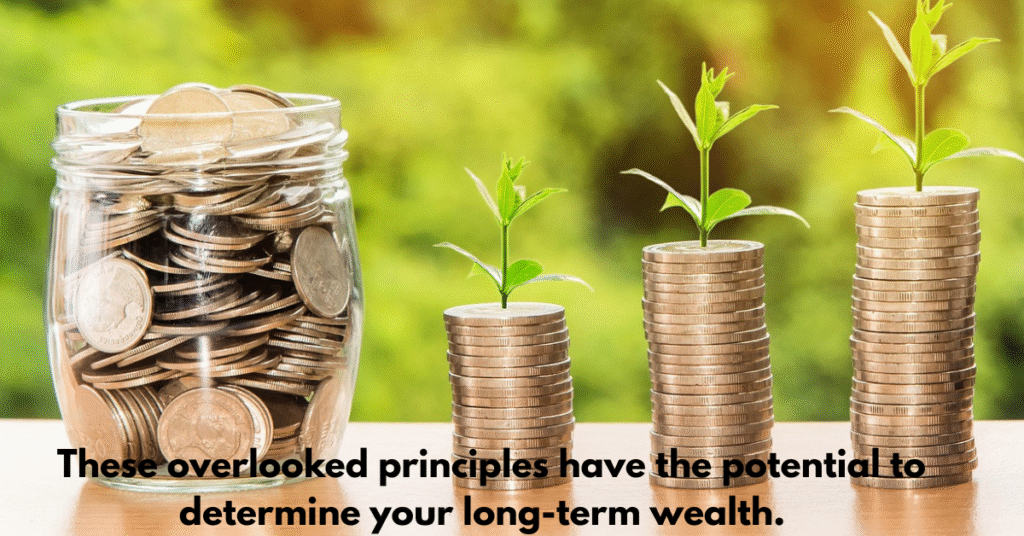

In an era dominated by consumerism, the “No-Buy 2025” movement emerges as a refreshing shift towards mindful consumption. Originating from social media platforms like TikTok and Instagram, this trend encourages individuals to abstain from non-essential purchases for an entire year, promoting financial discipline and environmental consciousness.
Understanding the ‘No-Buy 2025’ Phenomenon
At its core, the “No-Buy 2025” challenge is a personal commitment to refrain from purchasing items that aren’t necessities. This includes resisting the allure of new clothing, gadgets, home decor, and other discretionary products. Participants aim to break free from impulsive buying habits, focusing instead on utilizing what they already own.
Motivations Behind the Movement
Several factors contribute to the growing popularity of this movement:
- Financial Wellness: With rising living costs and economic uncertainties, many see this challenge as an opportunity to save money, pay off debts, and build emergency funds.
- Environmental Concerns: Reducing consumption directly impacts the environment by decreasing waste and lowering carbon footprints.
- Mental Clarity: A clutter-free environment often leads to a clearer mind. By limiting purchases, individuals can focus on what truly matters.
Implementing the ‘No-Buy’ Lifestyle
Embarking on this journey requires planning and commitment. Here are steps to guide you:
- Define Essentials: Determine what constitutes a necessary purchase for you. This typically includes groceries, medications, and essential utilities.
- Set Clear Boundaries: Outline categories of items you’ll avoid, such as fashion, electronics, or dining out.
- Find Support: Join online communities or partner with a friend to share experiences and stay motivated.
- Reflect and Adjust: Regularly assess your progress, celebrate milestones, and make adjustments as needed.
The Broader Impact
The “No-Buy 2025” movement is more than a personal challenge; it’s a statement against the culture of overconsumption. By choosing to live with intention, participants not only achieve personal growth but also contribute to a larger societal shift towards sustainability and financial responsibility.