Apple has unveiled its new Liquid Glass design language at WWDC 2025, bringing a dynamic, translucent UI across iOS 26, iPadOS 26, macOS Tahoe 26, watchOS 26, and tvOS 26. Here’s what users and developers need to know.
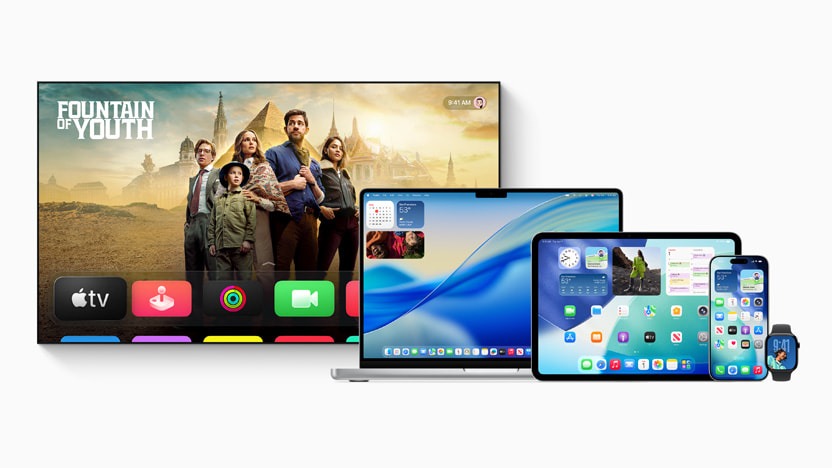
At its annual Worldwide Developers Conference (WWDC) 2025, Apple introduced a major visual redesign that will roll out across its software ecosystem, headlined by a new material called Liquid Glass. This marks one of Apple’s most comprehensive design updates in recent years, bringing a refreshed look and feel to iOS 26, iPadOS 26, macOS Tahoe 26, watchOS 26, and tvOS 26.
The Liquid Glass interface is designed to make apps and system elements feel more responsive, translucent, and content-focused. Apple says this material behaves like real-world glass—reflecting and refracting its environment—while dynamically adapting to light and dark conditions. This material is now used throughout system controls, navigation bars, app icons, widgets, and other interface elements.
According to Apple, Liquid Glass enhances the visual experience by creating depth and movement. Its real-time rendering capabilities include specular highlights and fluid transitions, offering a more vibrant interaction model for users. Whether you’re scrolling through Safari or accessing the Control Center, elements now appear to float and morph based on your context.
The redesign is more than just cosmetic. Apple has updated key UI components such as toolbars, tab bars, and sidebars to better align with the rounded corners of modern Apple hardware. Controls are now rendered as a separate functional layer above app content, expanding or shrinking based on user interaction. On iOS 26, for instance, tab bars shrink when scrolling to highlight content and expand again when scrolling back up. On iPadOS and macOS, sidebars now refract and reflect background content and the user’s wallpaper to create a more immersive experience.
Also Read: iOS 26 Announced: Full List of Compatible iPhones and Key Features Revealed
These visual improvements are also reflected across Apple’s core apps. Updated interfaces for Camera, Photos, Safari, FaceTime, Music, News, and Podcasts integrate the new Liquid Glass look, offering a consistent design language across native applications.
System-level experiences have also received attention. The Lock Screen now features a time display crafted from Liquid Glass that seamlessly tucks behind subjects in photo wallpapers. On the Home Screen and desktop, app icons, the Dock, and widgets are now composed of multiple layers of Liquid Glass, giving them a polished, responsive appearance. In macOS Tahoe 26, users will also get enhanced customization options, including the ability to choose light or dark appearances, apply new tint options, and experience a transparent menu bar that visually expands the Mac’s screen space.
To support third-party developers in adopting the new interface, Apple is offering updated APIs for SwiftUI, UIKit, and AppKit. These updates make it easier for developers to integrate the new design language into their apps, ensuring consistency and taking advantage of the dynamic, glass-like behavior of the UI.
This new design will be available with the upcoming software updates later this year. For developers, the iOS 26 developer beta is already available for testing and app optimization.